
Dungeons & Dragons offers a vast multiverse of possibilities to craft a story. While pre-written campaigns and world settings such as The Forgotten Realms, Exandria, or even the classic Blackmoor provide fantastic adventures, there’s a special thrill in creating your own world. Homebrewing a D&D campaign allows you to unleash your creativity, tailor the narrative to your group, and weave a unique tapestry of stories. Together we’ll explore the essential steps to help you embark on the rewarding journey of crafting your very own homebrew D&D campaign.
Conceptualize Your World:
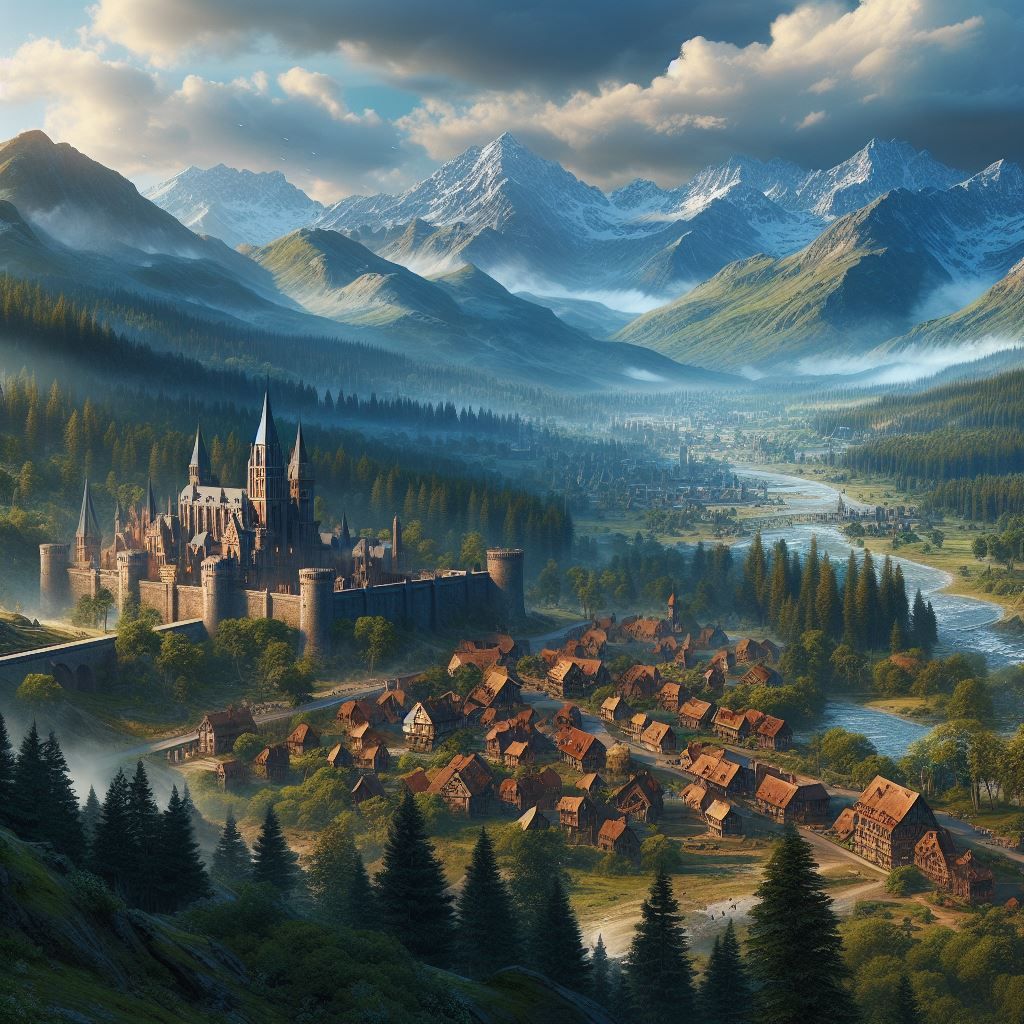
Begin with a vision for your campaign world. Is it a high fantasy realm with towering castles and magical creatures, or a gritty, urban setting filled with political intrigue? Maybe even a mix of both? Define the overall tone and theme to guide your creative decisions. If you have players already ready to play it may be a good idea to set up your session zero and get them involved in the overall theme of the world and collaborate your ideas.
Establish the Setting:
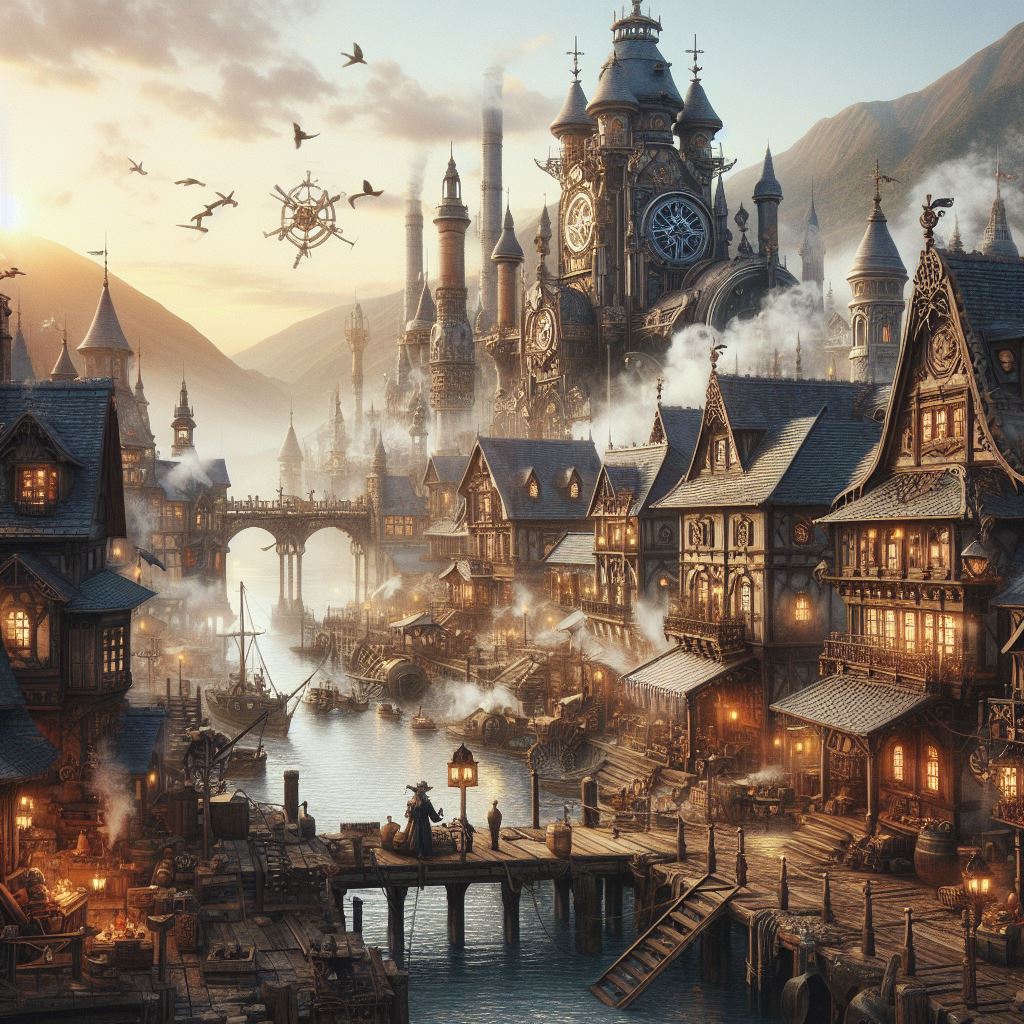
Dive into the details of your world by developing key locations, landmarks, and cities. Consider the geography, climate, and cultures that inhabit these places. The more vividly you describe your setting, the more immersive the experience for your players. Sometimes taking your favorite bit of a story or a specific place can help you get a good foothold on where you want it to go.
Create a Pantheon of Deities:
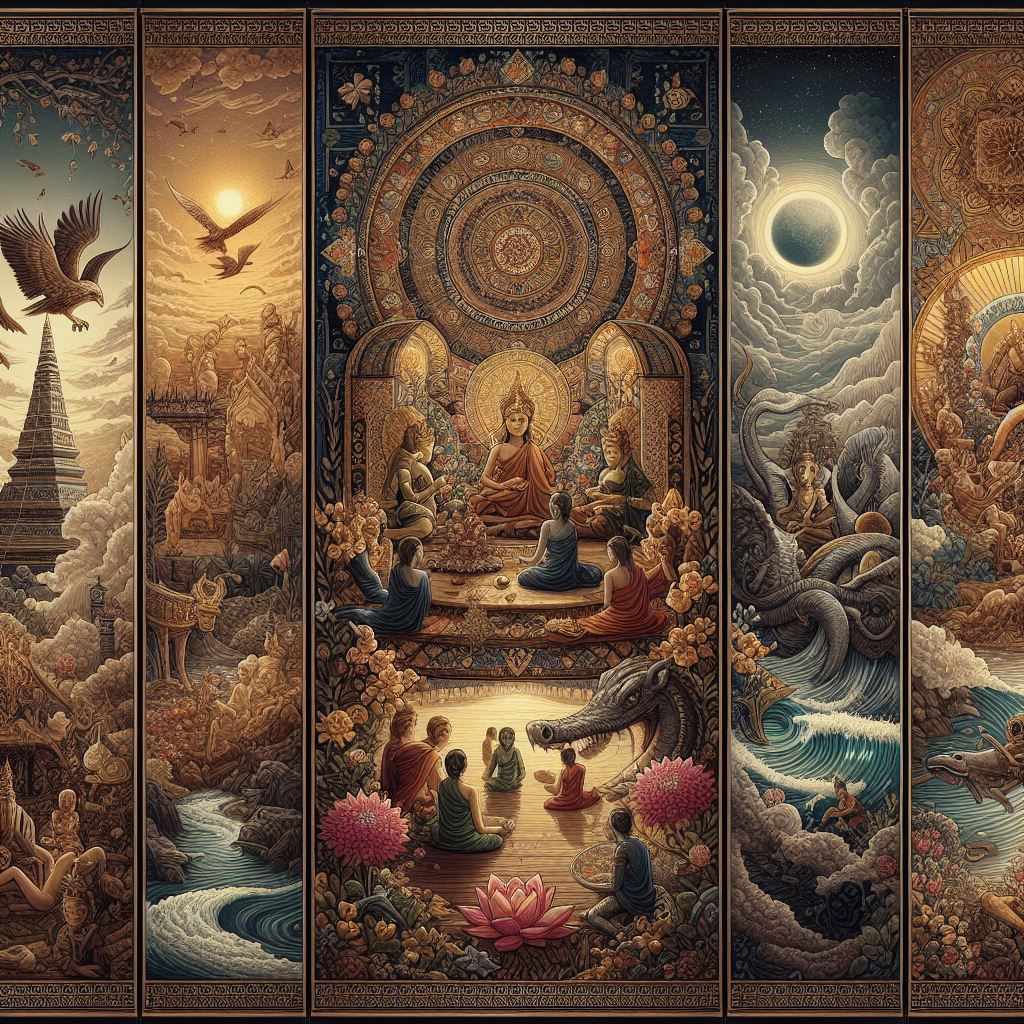
Define the gods and goddesses that influence the world. Develop their personalities, domains, and relationships with one another. A rich pantheon adds depth to the campaign and can shape the beliefs and conflicts within your world. This also gives some building blocks for characters to build off of if they choose, as well as for characters you create to interact with your players.
Build a Compelling History:
Craft a detailed history for your campaign world. Highlight significant events, wars, and conflicts that have shaped its current state. A well-crafted history provides context for the unfolding narrative and gives players a sense of the world’s depth. Again this gives players something more to build their characters with and gets them excited to explore and learn about your world.
Design Factions and Organizations:
Populate your world with diverse factions and organizations. Whether they are benevolent guilds, nefarious cults, or political alliances, these groups add intrigue and opportunities for player involvement in the broader story. Depending on your story, this could be your main plot of the campaign or aid in creating small side quests for your group.
Create Unique Races and Cultures:
Customize or invent races and cultures to suit your world. Consider how these societies interact, trade, and conflict with each other. Tailor existing race options or introduce entirely new ones to make your world stand out. Don’t be scared to create your own unique races, maybe for your players to utilize or even to use against them. These can come with their own stat benefits or maybe even use some of the ones readily available.

Sketch a Campaign Arc:
Outline a general campaign arc that encompasses the major story beats. Identify the main antagonist, key conflicts, and potential plot twists. While flexibility is crucial, having a roadmap helps maintain coherence in the overall narrative. Design plot hooks that draw players into the narrative. These can be mysterious artifacts, ancient prophecies, or personal quests. Crafting compelling hooks encourages player engagement and investment in the unfolding story.
Balance Encounter Design:
Create a variety of encounters, including combat, social, and exploration challenges. Ensure that encounters are balanced to provide an appropriate level of difficulty, keeping in mind the capabilities of your player characters. Along with this, populate your world with memorable NPCs, each with their own motivations, quirks, and backstories. NPCs can serve as allies, mentors, or adversaries, adding depth to player interactions and enriching the storytelling experience.
Stay Flexible and Adapt:
One of the joys of homebrewing is the ability to adapt to your players’ choices. Be ready to improvise and adjust your plans based on their actions, allowing the story to evolve organically. As said before, definitely have a roadmap but don’t set everything in stone. Have plot points that are subject to change if specific actions are taken. This will add not only a more immerse feeling to the world but look on the players faces when they accidentally woke up an ancient deity by helping the wrong person will be fun for everyone.
Gather Player Input:
As always, collaborate with your players to incorporate their backstories and character goals into the campaign. This not only enhances player engagement but also provides you with additional inspiration for plot elements. Having after session talks with your players can help with this and improve the experience for everyone.
Excelling at all these points will help you craft an amazing story for not only your enjoyment but for you to have fun with your friends altering it and fine tuning it. Don’t be afraid to try something new because you don’t think it will work or because it isn’t in a book produced by wizards of the coast. Remember this is your story that you’re telling and it gets to be exactly how you want it to be. Keep it you and keep it weird.



 nerdsandnobodies.com
Leave a comment