
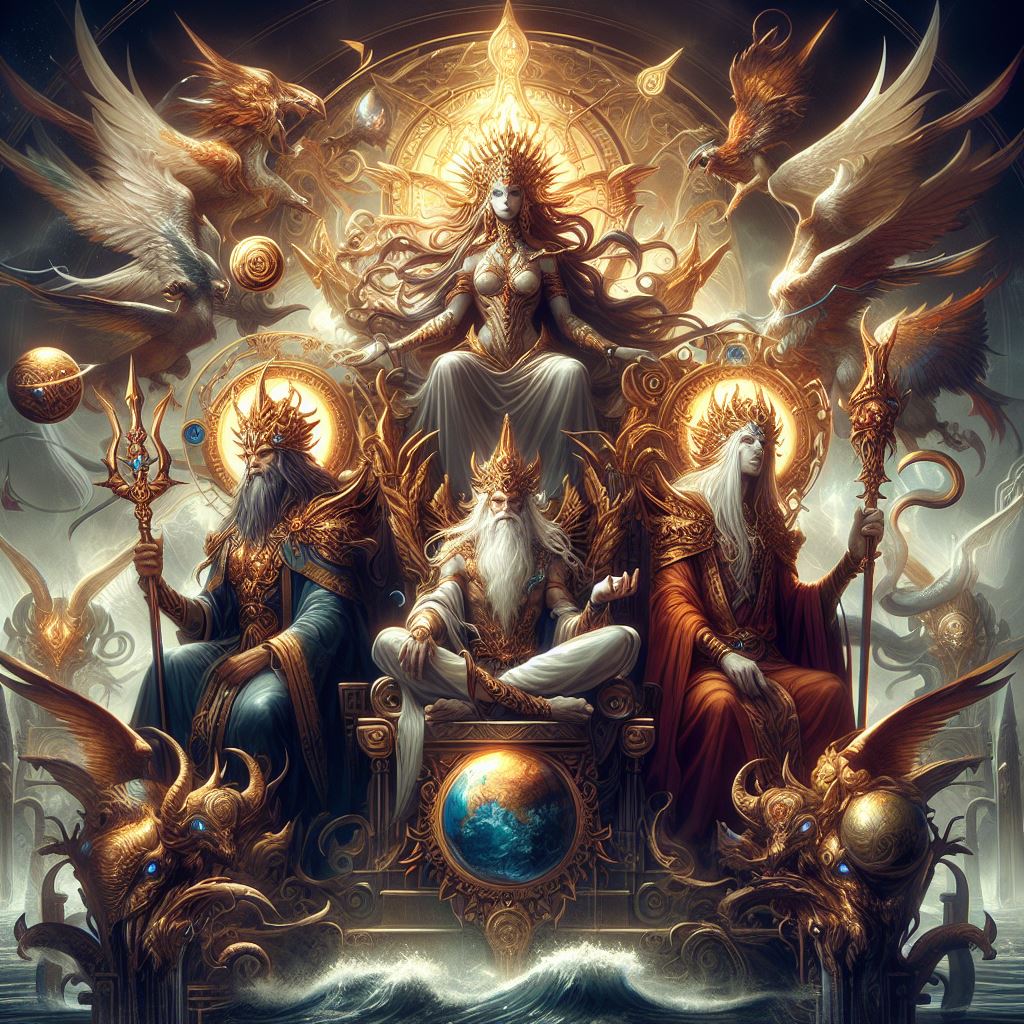
In the vast and mystical realms of Dungeons & Dragons, the divine tapestry of gods and goddesses weave through most adventures, shaping the very fabric of existence. For Dungeon Masters and worldbuilders, crafting a pantheon of deities can elevate your game to new heights, adding depth, intrigue, and a sense of wonder to your players’ experiences. Here are some steps to guide you in the creation of your own pantheon:
Define the Theme and Purpose:
Begin by considering the overarching theme and purpose of your pantheon. Are they benevolent protectors, distant observers, or malevolent tricksters? Are they elemental forces, embodiments of virtues, or reflections of mortal aspirations? Understanding the fundamental essence of your pantheon will set the tone for their roles in your campaign world. Looking towards different religions and mythologies may be a good place to start.
Establish the Core Deities:
Identify the key deities that form the backbone of your pantheon. This may be a chief deity representing creation or a pantheon leader, along with major gods and goddesses embodying fundamental aspects such as war, nature, magic, or love. Each deity should have distinct domains, personalities, and mythologies that contribute to the richness of your world. This gives the character’s with more religious backgrounds such as, your clerics, paladins, and any others that want to weave it into their own backstory to create good building blocks for their actions and motivations.
Create Relationships and Hierarchies:
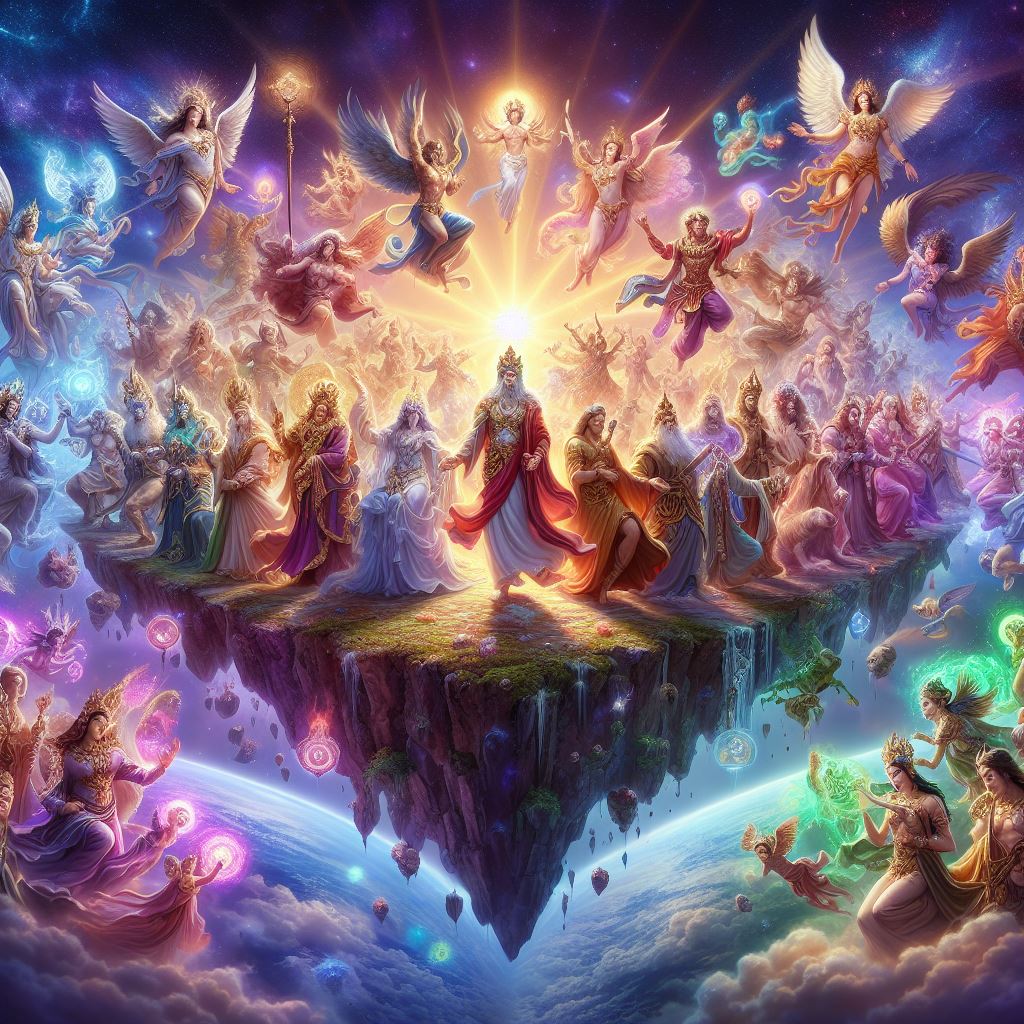
Explore the relationships and hierarchies among your deities. Are there familial ties, rivalries, alliances, or betrayals? Consider how these dynamics shape the interactions between gods and influence the mortal realm. A pantheon with intricate connections adds depth to your storytelling and provides ample plot hooks for adventures. By doing this, characters may choose to act differently towards others of a different religion which could cause a local cult to spring up out of nowhere due to these relationships. Yet again another great reason why it will help you out as a DM, ultimately helping your players have a great time.
Flesh Out Mythology and Lore:
Craft compelling myths, legends, and origin stories for your deities. Delve into their histories, deeds, and conflicts to enrich the narrative of your world’s mythology. Consider incorporating elements from real-world mythologies or inventing entirely new narratives that resonate with your campaign setting. These tales will captivate your players and immerse them in the lore of your pantheon. I mean what’s better than to brag about this awesome set of gods and goddesses you just created.
Develop Cults and Followers:
Explore how worship manifests in your world through cults, sects, and followers devoted to each deity. Consider the rituals, symbols, holy sites, and sacred texts associated with worshiping different gods. Cults can serve as allies, adversaries, or quest-givers for your players, offering opportunities for exploration, intrigue, and moral dilemmas helping them dive deeper into the different religions.
Integrate into the Campaign World:
Integrate your pantheon seamlessly into the fabric of your campaign world. Consider how the influence of gods shapes the societies, cultures, and histories of different regions. Create temples, shrines, and divine artifacts scattered throughout the land, each imbued with the power and presence of the gods they represent. Unlocking the potential to unleash the weapons of the gods could definitely sway the world depending on who’s wielding it.
Allow for Player Influence:
Finally, remain open to player contributions and interpretations of your pantheon. Encourage players to create characters with ties to specific deities or to explore the mysteries of divine magic through their adventures. Incorporate their backstories, beliefs, and goals into the unfolding narrative, allowing them to shape the destiny of your pantheon alongside their own. If it’s a snoozefest every time you mention your pantheon then no one will want to explore it, so make sure to throw some crazy things at your players to keep it interesting
Remember in the ever-expanding universe of Dungeons & Dragons, the creation of a pantheon offers boundless opportunities for storytelling, worldbuilding, and roleplaying. By following these steps and infusing your own creativity and imagination, you can craft a divine tapestry that enriches your campaign world and captivates your players’ imaginations for sessions to come. So, go forth, Dungeon Master, and let the gods guide your adventures into unknown realms!


 nerdsandnobodies.com
Leave a comment